
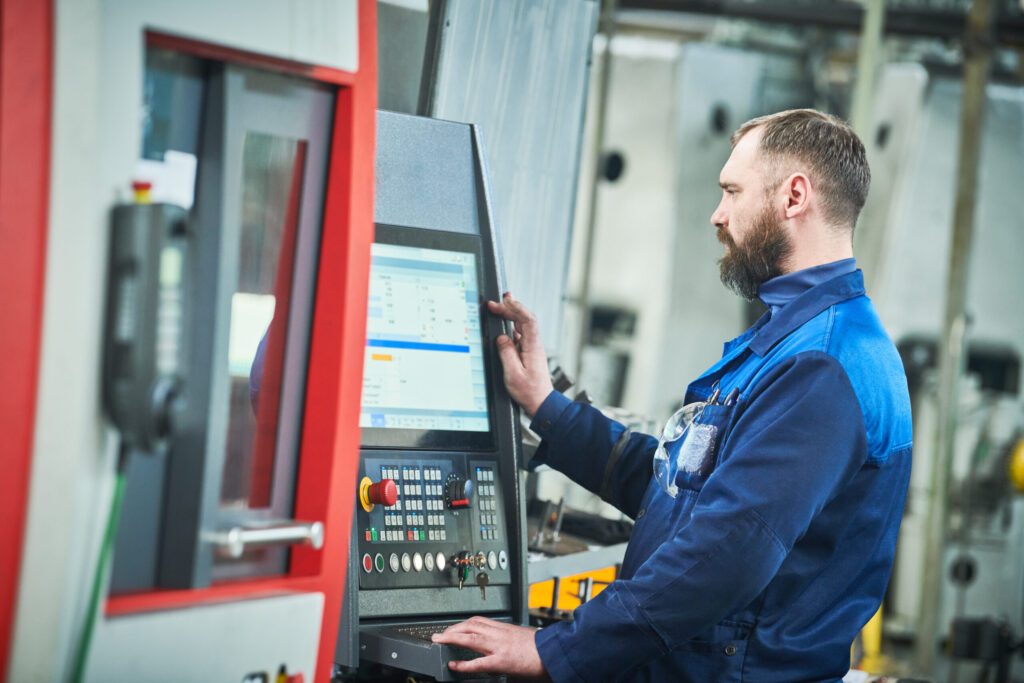
CNC Operator Work in the Netherlands
CNC Operator Jobs in the Netherlands with Accommodation
Are you a CNC operator, machine operator, CNC miller, CNC turner or press brake operator looking for work in the Netherlands? Dutch employers continue to need skilled CNC workers for machining, turning, milling, sheet-metal production, press brake work and technical manufacturing.
Celoria Recruitment helps experienced CNC operators apply for jobs in the Netherlands with accommodation, transport support and recruiter guidance, depending on the vacancy and project conditions.
Quick answer: who is this page for?
This page is for practical CNC candidates who want to operate, set up or support CNC machines in Dutch production and machining environments.
Best match
CNC operators
For candidates who already operate CNC machines and understand basic quality checks, drawings or production instructions.
Strong match
Setters and machinists
For workers who can set up machines, change tools, adjust offsets, check tolerances or work more independently.
Growth path
Junior CNC workers
For candidates with some production or machine experience who want to grow into CNC operation or setup work.
CNC operator roles available in the Netherlands
CNC operator jobs are not all the same. Some jobs focus on milling or turning, others on press brake work, laser cutting, Zund machines or junior machine operation. The right vacancy depends on your machine experience and technical level.
Why CNC operator jobs are attractive in the Netherlands
The Netherlands has a strong technical and industrial labour market. CNC operators and machinists can find opportunities in machining, high-tech manufacturing, metalwork, sheet-metal production, machine building, logistics technology and industrial supply chains.
CNC is also attractive because it has a clear career path. A candidate may start as a junior operator, move into independent machine operation, then grow into setup, corrections, programming or more specialised machining work.
What employers check before hiring CNC operators
Milling, turning, lathe, press brake, laser, Zund machine, robot or other CNC equipment.
Hurco, Okuma, TRUMPF, STYLE, Fanuc, Siemens, Heidenhain or other machine controls.
Drawing reading, measuring, checking tolerances, tool changes, setup, offsets or program corrections.
Accuracy, safety, reliability, communication and the ability to report issues early.
CNC operator salary and job package
CNC operator salary in the Netherlands depends on your role, experience, machine control, programming level, shift pattern, employer, location, accommodation, transport and project conditions.
A junior CNC operator, press brake operator, CNC miller, CNC turner and CNC lathe operator may each have a different salary structure. Always compare the full package, not only the hourly or weekly amount.
Before accepting, check:
Gross or net pay
Weekly hours
Shift allowance
Accommodation cost
Transport support
Start date
Current CNC operator jobs with accommodation
The best page for current CNC vacancies is the main CNC jobs category. Check the current roles below and apply only to jobs that match your real machine experience.
Accommodation and transport for CNC operators
Many CNC jobs for foreign workers may include arranged accommodation or housing support, depending on the employer and project. Transport may also be arranged or supported depending on the distance between accommodation and the workplace.
Before accepting a job, ask about housing type, room sharing, weekly deductions, commute method, shift times, salary structure and what happens with accommodation if the project ends.
How to improve your chance of getting hired
Recruiters can screen you faster when your CV is specific. Do not write only “CNC operator” if you have real machine, control, material or setup experience.
Write whether you worked with milling machines, lathes, press brakes, lasers, Zund machines, welding robots or other CNC equipment.
Mention Hurco, Okuma, Fanuc, Siemens, Heidenhain, TRUMPF, STYLE or other systems you know.
Say whether you can only operate, or also set up, adjust offsets, change tools, inspect parts, program or troubleshoot.
Tell the recruiter your current location, earliest start date, English level, accommodation need and whether you have a driving licence.
Documents and practical details recruiters check
For Celoria Recruitment screening, candidates normally need EU citizenship with a valid EU ID or passport, or a valid Dutch work permit. Work permits from other countries usually do not automatically allow work in the Netherlands.
- Clear CV in English
- Valid EU ID/passport or valid Dutch work permit
- Machine type and CNC controls used
- Experience with drawings, measuring tools and quality control
- Setup, offsets, tool changes or programming experience, if available
- Materials you have worked with
- Current location and earliest start date
- Accommodation and transport needs
- Driver’s licence and own car, if relevant for the job location
Related CNC and technical job pages
If you have CNC experience, you may also match broader CNC, metalwork, welding or skilled technical jobs in the Netherlands.
Job FAQ: CNC operator jobs in the Netherlands
Are CNC operator jobs in demand in the Netherlands?
Yes. CNC machine operators and CNC machinists are part of Dutch industrial occupations with good labour-market prospects. Demand is strongest for candidates who can work accurately, understand machines and support quality production.
Can foreign CNC operators apply for jobs in the Netherlands?
Yes, foreign CNC operators can apply if they have the legal right to work in the Netherlands and the required machine experience. EU, EEA and Swiss nationals generally do not need a Dutch work permit.
Do CNC operator jobs include accommodation?
Some CNC operator jobs may include arranged accommodation or housing support, depending on the employer, project and location. The exact accommodation conditions are confirmed before the candidate accepts the job.
What CNC controls should I mention on my CV?
Mention any CNC controls you have used, such as Hurco, Okuma, TRUMPF, STYLE, Fanuc, Siemens, Heidenhain or other machine-specific systems.
What is the difference between CNC operator and CNC machinist?
A CNC operator usually operates machines and checks production, while a CNC machinist may also set up machines, adjust programs, change tooling, solve problems and work more independently.
How can I apply for CNC operator jobs?
You can apply by sending your CV, machine experience, CNC controls, materials, drawing-reading ability, current location, availability and accommodation needs.